Winterizing Your Home: The Crucial Importance of cleaning Gutters before the chill sets in
Winterizing Your Home: The Crucial Importance of Cleaning Gutters Before the Chill Sets In
As temperatures drop and daylight shrinks, winterizing your home becomes a top priority. One essential—but often overlooked—task is cleaning and preparing your gutters. Proper gutter maintenance prevents water damage, ice dams, foundation problems, and costly repairs. For homeowners in eastern and central Kentucky, where freeze-thaw cycles and winter storms are common, taking care of gutters before the first cold snap can save time, stress, and money.
Why gutters matter in winter
Gutters are more than an aesthetic trim; they direct roof runoff safely away from your house. When gutters are blocked by leaves, twigs, pine needles, and other debris, water has nowhere to go. That creates a series of problems that become especially severe in cold weather:
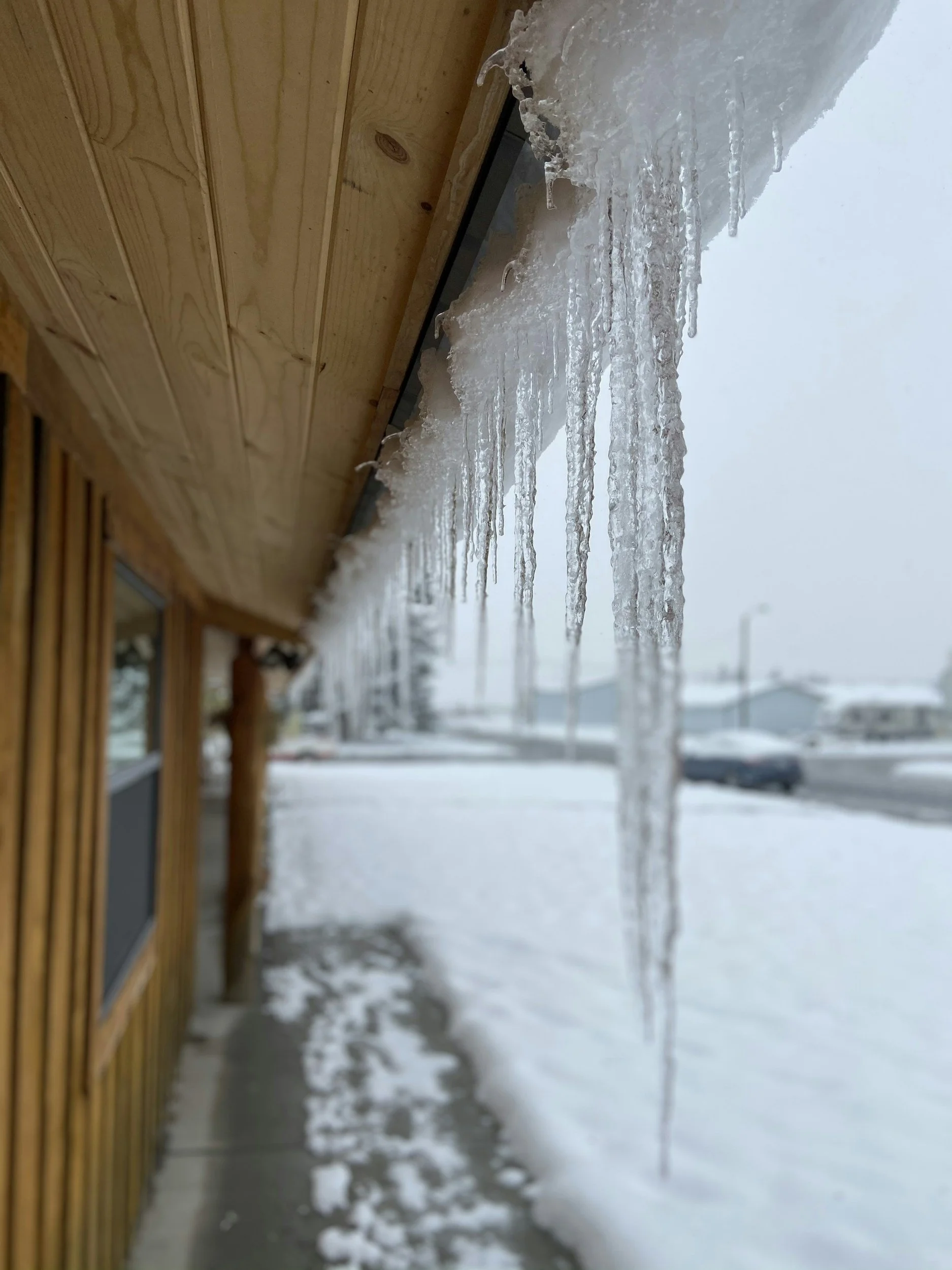
Ice dam formation: When heat from your attic warms the roof, snow melts and runs to the eaves. If gutters are clogged or improperly sloped, this meltwater can pool near the edge of the roof, where it refreezes. Ice dams trap additional water behind them, which can back up under shingles and leak into ceilings, walls, and insulation.
Roof and fascia damage: Accumulated debris and standing water add weight to gutters and put strain on their hangers and the fascia boards that support them. Freeze/thaw cycles expand water and can crack gutters, tear them away from the house, or rot fascia and soffits.
Foundation and basement threats: Blocked gutters overflow at the roofline; water then runs down next to foundation walls. In winter, melting snow combined with poor drainage increases the amount of water seeping into soil around the foundation. This can lead to basement leaks, hydrostatic pressure issues, and even foundation settlement over time.
Landscape erosion and soil saturation: Overflowing gutters direct concentrated streams of water onto plants and topsoil below, washing away mulch, soil, and leaving erosion channels. Saturated soil near the home in freezing conditions worsens freeze-thaw movement.
Pest and mold habitats: Stagnant water in debris-filled gutters is a breeding ground for mosquitoes in warmer months and can promote rot and mold growth in gutter linings and roof structures year-round.
When to clean your gutters
Early fall (late September–October): This is the most important time for gutter cleaning. Leaves are falling, and clearing out debris before heavy rains and the first freeze will prevent early ice formation.
Late fall (November–early December): A second check and clean is prudent in areas with extended leaf-fall or if storms have left extra debris.
After major storms: Wind and storms can deposit branches and extra material that should be removed promptly.
Before a long freeze is forecast: If temperatures will drop and precipitation is possible, ensure gutters are clear so water can drain freely.
Step-by-step guide to cleaning gutters safely and effectively
Gather the right tools
Sturdy ladder with stabilizer or standoff
Work gloves
Safety glasses
Small hand trowel or gutter scoop
Bucket or heavy-duty trash bag (for debris)
Garden hose with spray nozzle (for flushing)
Plumber’s snake or a specialized gutter auger (for downspout clogs)
Rubber mallet and gutter sealant (for minor repairs)
Non-slip shoes and fall-arrest if working on steep roofs
2. Practice ladder safety
Set ladder on firm, level ground and secure it if possible.
Use a ladder stabilizer or standoff to reduce pressure on gutters.
Never overreach—move the ladder instead of leaning.
Have someone spot you if possible.
Avoid working on ladders in wet or icy conditions.
3. Remove debris
Start near the downspout and work outward.
Scoop debris into your bucket or bag; avoid pushing debris over the edge of the ladder.
For heavy, compacted wet debris, loosen it gently with a trowel or gloved hands.
Remove small bits and rinse them into the yard away from foundation when possible.
4. Flush the gutters and downspouts
After removing the bulk of debris, flush gutters with a garden hose to clear smaller particles and verify water flow.
Check downspouts by running water through them. If water backs up, use a plunger, plumber’s snake, or a pressure nozzle to dislodge clogs.
Inspect the discharge point at the bottom of the downspout to ensure water is directed away from the foundation.
5. Inspect and repair
Look for signs of damage: cracks, holes, rust, sagging, separation from fascia, loose hangers, and misaligned sections.
Tighten fascia hangers and screws. Replace missing or broken hangers.
Seal small leaks with roofing cement or a gutter seal
As Winter approaches, give attention to the essential task of gutter cleaning. The consequences of neglecting this simple chore can be far-reaching, impacting the structural integrity of your home and leading to costly repairs. By taking the time to clean your gutters before winter arrives, you not only protect your investment but also ensure a cozier, worry free season for you and your family. So, before the first snowflake falls, grab that ladder and give your gutters the attention they deserve. Your home will thank you for it.